Up next in 10


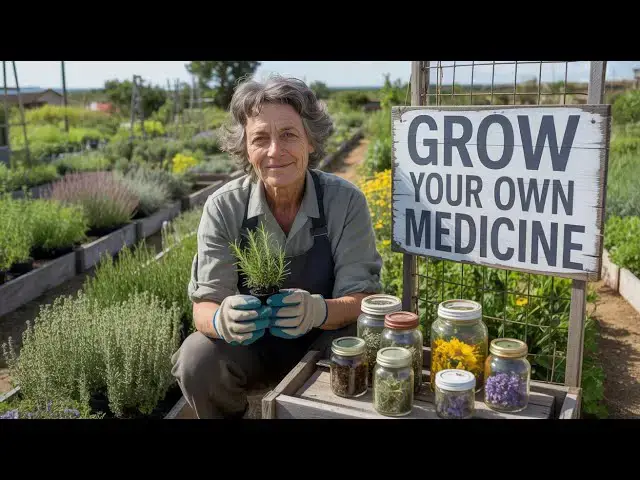
🌿 Imagine stepping into your own backyard and finding a natural pharmacy at your fingertips! In this video, we’ll explore 13 of the most powerful medicinal plants you can grow at home. From soothing aloe vera to immune-boosting echinacea, these healing herbs have been trusted for centuries—and now you can easily grow them yourself.
Whether you want to calm stress with chamomile tea, ease digestion with peppermint, or heal wounds with calendula, these plants will transform your garden into a source of natural remedies. Best of all, they’re easy to grow, beautiful to look at, and incredibly useful for everyday health.
🌱 What You’ll Learn in This Video:
The medicinal benefits of 13 must-have plants
How to use them for common ailments
Simple tips to grow them in your garden or containers
✨ Grow health, beauty, and healing power right in your yard.
👉 Which of these medicinal plants would you love to grow first? Let me know in the comments below!
If you enjoy this video, don’t forget to like, subscribe, and share with friends who love gardening and natural living. 🌸
Explore the world of **medicinal herbs and plants** you can grow at home, turning your backyard into a resource for **natural healing**. Learn about the healing properties and traditional uses of these **herbal plants**, and discover how to create your own **herbal medicine** cabinet. Plus, get practical **gardening** tips for cultivating these plants effectively.
Show More Show Less View Video Transcript
0:00
What if your backyard could be a living
0:01
pharmacy? Imagine stepping outside,
0:04
picking a few leaves, and instantly
0:06
making a soothing tea for a headache, a
0:09
balm for a burn, or a remedy for an
0:11
upset stomach. Today, we're uncovering
0:14
13 of the most powerful medicinal plants
0:16
you can grow right at home. Plants that
0:19
have been used for centuries and can
0:21
still transform your health today. The
0:24
best part, most of these plants are
0:27
ridiculously easy to grow. They look
0:29
beautiful in your garden and they'll
0:31
save you countless trips to the
0:32
pharmacy. Let's dive in, starting with
0:36
one that's probably already in your
0:38
kitchen, but deserves a permanent place
0:40
in your yard. One, aloe vera, the skin
0:44
healer. Aloe vera is a remarkable
0:47
medicinal plant known for its soothing,
0:50
healing, and anti-inflammatory
0:52
properties. The clear gel inside its
0:54
thick spiky leaves is packed with
0:56
vitamins, minerals, and antioxidants,
0:59
making it a natural remedy for burns,
1:02
sunburns, cuts, insect bites, and dry
1:04
skin. It's also valued for its digestive
1:07
benefits when consumed in moderation,
1:10
helping to ease heartburn, and support
1:12
gut health. Growing Aloe vera is
1:14
refreshingly simple. It thrives in well-
1:17
draining soil, plenty of sunlight, and
1:20
requires minimal watering as it stores
1:22
moisture in its leaves. Perfect for pots
1:25
or garden beds, this drought tolerant
1:28
succulent not only adds beauty to your
1:30
space, but also serves as a living first
1:32
aid kit you can harvest anytime.
1:34
However, aloe vera does not like
1:36
overwatering, soggy soil, and excessive
1:39
shade and frost. Two, chamomile, the
1:42
calming tea plant. Chamomile is a gentle
1:46
yet powerful medicinal plant cherished
1:48
for its calming and healing qualities.
1:50
Its daisyike flowers are rich in natural
1:53
compounds that can ease anxiety, promote
1:56
restful sleep, soothe digestive
1:58
troubles, and reduce inflammation.
2:01
A warm cup of chamomile tea can relax
2:03
the mind after a stressful day, while
2:05
cooled chamomile infusions can be used
2:07
topically to calm skin irritations and
2:10
minor eye infections. Growing chamomile
2:13
is easy and rewarding. It thrives in
2:15
full sun, well- draining soil, and can
2:18
be started from seeds sewn directly into
2:21
the garden in spring. Regular harvesting
2:23
of the blooms not only provides a steady
2:25
supply for teas and remedies, but also
2:28
encourages the plant to produce even
2:30
more fragrant flowers throughout the
2:32
season. Three, peppermint, the tummy
2:35
tamer. Peppermint is a refreshing and
2:38
highly effective medicinal plant prized
2:41
for its ability to soothe digestive
2:43
issues, relieve nausea, ease headaches,
2:46
and open congested airways. Its aromatic
2:49
leaves contain menthol, a natural
2:51
compound that cools, calms, and
2:54
invigorates both body and mind. A fresh
2:57
sprig can be brewed into tea for stomach
2:59
upsets or applied as an infused oil to
3:01
ease muscle tension. Peppermint is also
3:04
a natural pest deterrent, making it a
3:06
helpful companion in the garden. Growing
3:09
peppermint is simple. It thrives in full
3:11
sun to partial shade, prefers moist,
3:14
well- draining soil, and spreads
3:16
vigorously, so it's best kept in
3:18
containers to prevent it from taking
3:20
over your yard. With minimal care, it
3:22
will reward you with lush, fragrant
3:24
leaves all season long. Four, eynia, the
3:29
immunity booster. Eynia, often called
3:32
cone flour, is a striking medicinal
3:34
plant celebrated for its immune boosting
3:36
and infection fighting properties.
3:39
Traditionally used by Native Americans,
3:41
Eynia is known to help the body resist
3:43
colds, flu, and other infections, while
3:46
its anti-inflammatory compounds can also
3:49
aid in wound healing and pain relief.
3:51
Its roots, leaves, and flowers can be
3:54
used to make teas, tinctures, or
3:56
extracts that support the body's
3:58
defenses and reduce inflammation.
4:00
Echanatia is easy to incorporate into
4:02
your daily wellness routine and is often
4:05
taken at the first sign of illness to
4:07
strengthen immunity. Its vibrant purple
4:10
pink blooms not only attract pollinators
4:12
like bees and butterflies, but also add
4:14
beauty to any garden. Growing eanatia is
4:17
straightforward. It thrives in full sun,
4:20
well- draining soil, and is drought
4:22
tolerant once established. Sow seeds in
4:25
spring or fall, or plant nursery grown
4:28
starts, and enjoy a plant that comes
4:30
back year after year, rewarding you with
4:32
both medicinal value and stunning summer
4:35
flowers.
4:37
Five, lemon balm. Nature's stress
4:40
reliever. Lemon balm is a wonderfully
4:43
fragrant medicinal herb known for its
4:45
calming, mood lifting, and antiviral
4:48
properties. Its fresh lemony scent comes
4:50
from natural oils that can help reduce
4:52
anxiety, promote restful sleep, ease
4:55
digestive discomfort, and even fight
4:57
cold soores caused by the herpes virus.
5:00
Often enjoyed as a soothing tea, lemon
5:03
balm can also be infused into oils,
5:05
salves, and tinctures for a variety of
5:07
home remedies. Growing lemon balm is
5:10
easy. It thrives in full sun to partial
5:13
shade. Prefers well- draining soil and
5:16
benefits from regular watering. It's a
5:18
vigorous grower, so planting it in a
5:21
container or giving it room to spread
5:23
will keep it manageable. Frequent
5:25
harvesting of its lush green leaves not
5:27
only keeps the plant healthy but also
5:30
provides a constant supply for your
5:31
herbal needs. Six. Kindala, the skin
5:36
soother. Kindala, also known as pot
5:39
maragold, is a vibrant medicinal plant
5:42
valued for its powerful skin healing and
5:44
anti-inflammatory properties. Its bright
5:47
orange or yellow petals contain natural
5:49
compounds that help soothe cuts, burns,
5:51
rashes, and insect bites while also
5:54
promoting faster wound healing. Chundula
5:57
can be infused into oils and made into
5:59
salves, creams, or teas, making it a
6:02
versatile addition to any home herbal
6:03
kit. Growing chundula is simple and
6:06
rewarding. It thrives in full sun,
6:09
prefers well- draining soil, and can be
6:11
easily grown from seed. Regular
6:14
deadheading of spent blooms encourages
6:16
continuous flowering from spring through
6:18
fall, providing both beauty for your
6:20
garden and a steady supply of healing
6:22
petals.
6:24
Seven, lavender. The relaxation plant.
6:29
Lavender is a beloved medicinal plant
6:31
renowned for its calming fragrance and
6:33
wide range of healing benefits. Its
6:36
aromatic flowers contain essential oils
6:38
that can ease anxiety, promote restful
6:41
sleep, relieve headaches, and even help
6:44
heal minor cuts and insect bites thanks
6:46
to their antibacterial and
6:47
anti-inflammatory properties. Lavender
6:50
can be used fresh, dried for teas and
6:52
sachets, or distilled into essential oil
6:55
for home remedies. Growing lavender is
6:57
straightforward if you give it the right
6:59
conditions. It thrives in full sun,
7:02
well- draining soil, and dry climates,
7:05
making it perfect for garden beds,
7:07
borders, or pots. Avoid overwatering, as
7:11
lavender prefers slightly dry
7:12
conditions, and trim it lightly after
7:14
flowering to keep the plant healthy and
7:16
compact. With minimal care, lavender
7:19
rewards you with beauty, fragrance, and
7:21
powerful medicinal uses year after year.
7:25
Eight, thyme. The natural antibiotic.
7:29
Thyme is a powerful medicinal herb
7:31
prized for its strong antibacterial,
7:34
antifungal, and antiviral properties,
7:37
making it a natural remedy for
7:39
respiratory infections, coughs, sore
7:42
throats, and digestive issues. Its
7:45
essential oils, particularly thymol,
7:47
have been used for centuries to support
7:49
the immune system and promote overall
7:51
health. Beyond its medicinal benefits,
7:54
thyme is also a flavorful addition to
7:56
cooking, adding depth to a variety of
7:58
dishes. Growing thyme is easy. It
8:01
thrives in full sun and well- draining
8:03
soil, tolerates drought once
8:05
established, and prefers a slightly
8:07
alkaline pH. Thyme can be grown from
8:10
seeds, cutings, or small plants, and
8:13
does well in garden beds or containers.
8:16
Regular harvesting of the leaves
8:17
encourages bushier growth and ensures a
8:20
fresh supply for both your kitchen and
8:22
natural remedies.
8:24
Nine. Yrow, the bleeding stopper. Yrow
8:29
is a remarkable medicinal plant known
8:31
for its ability to stop bleeding, reduce
8:33
inflammation, and promote wound healing,
8:36
earning it the nickname solders wound
8:38
herb from ancient times. Its dried or
8:41
fresh leaves and flowers can be applied
8:43
as a pus to cuts and bruises or brewed
8:46
into a tea to support digestion and
8:48
relieve cold symptoms. Yero also has
8:51
antimicrobial properties that help
8:52
protect against infection. Growing yrow
8:55
is easy. It thrives in full sun and
8:58
well- draining soil, tolerates drought,
9:00
and requires minimal care. It spreads
9:03
quickly, so it's best planted where it
9:05
has space to grow or contained to
9:07
prevent overgrowth. With its feathery
9:10
foliage and clusters of tiny flowers,
9:12
yrow is both a beautiful and practical
9:15
addition to any medicinal garden. 10.
9:18
Sage, the sore throat soother. Sage is a
9:22
powerful medicinal herb celebrated for
9:24
its anti-inflammatory,
9:26
antioxidant, and antimicrobial
9:29
properties, making it an effective
9:31
natural remedy for sore throats,
9:33
digestive issues, and cognitive support.
9:36
Traditionally, sage leaves are brewed
9:38
into teas to soothe coughs and improve
9:40
digestion or used as a mouthwash for
9:43
oral health. Sage can also be burned as
9:46
a smudge to cleanse spaces and promote
9:48
mental clarity. Growing sage is simple.
9:51
It thrives in full sun with well-
9:53
draining soil and prefers a dry, warm
9:56
environment. It's drought tolerant and
9:58
benefits from regular pruning to
10:00
encourage bushy growth and prevent woody
10:02
stems. Whether grown in the garden or in
10:05
containers, sage offers year-round
10:07
medicinal benefits and culinary flavor.
10:10
11. Holy basil, Tulsi. The stress
10:14
fighter. Holy basil, also known as
10:16
Tulsi, is a sacred medicinal plant
10:19
revered for its powerful adaptogenic
10:21
properties that help the body manage
10:23
stress, boost immunity, and promote
10:26
overall well-being. Rich in antioxidants
10:29
and essential oils, Tulsi is
10:31
traditionally used to reduce
10:32
inflammation, fight infections, support
10:35
respiratory health, and calm the mind.
10:38
The leaves can be brewed into a fragrant
10:40
tea, taken as a tincture, or used fresh
10:44
in cooking to harness its healing
10:45
benefits. Growing holy basil is
10:48
straightforward. It prefers warm
10:50
temperatures, well- draining soil, and
10:53
plenty of sunlight. It can be started
10:55
from seeds or seedlings and thrives both
10:57
in garden beds and containers. Regular
11:00
pruning encourages bushier growth and a
11:03
steady supply of leaves for your herbal
11:05
remedies. Tulsi's spiritual significance
11:08
and medicinal power make it a cherished
11:10
addition to any healing garden. 12.
11:15
Ginger, the inflammation fighter. Ginger
11:18
is a highly valued medicinal plant known
11:21
for its powerful anti-inflammatory and
11:24
digestive benefits. Its spicy aromatic
11:26
root has been used for centuries to
11:28
relieve nausea, reduce muscle pain, ease
11:31
indigestion, and combat colds and flu.
11:35
Ginger contains compounds like gingerol
11:37
that help soothe the digestive tract,
11:39
and support the immune system, making it
11:41
a go-to natural remedy for many common
11:44
ailments. Growing ginger is simple in
11:46
warm climates. It thrives in rich, well-
11:49
draining soil with plenty of moisture
11:51
and partial to full shade. You can start
11:54
by planting fresh ginger ryomes just
11:56
below the soil surface. And with regular
11:59
watering and warmth, new shoots will
12:01
sprout in a few weeks. In cooler areas,
12:04
ginger can be grown indoors in pots,
12:06
providing you with fresh medicinal roots
12:08
year round. 13. Garlic, nature's
12:13
antibiotic.
12:14
Garlic is a legendary medicinal plant
12:17
known for its powerful antibiotic,
12:19
antiviral, and antifungal properties,
12:22
making it one of nature's most effective
12:24
natural remedies for boosting the immune
12:26
system in fighting infections. Rich in
12:28
sulfur compounds like elysin, garlic has
12:31
been shown to reduce inflammation, lower
12:34
blood pressure, and support heart
12:35
health. It's also widely used to help
12:38
combat colds, flu, and respiratory
12:40
issues. Growing garlic is
12:42
straightforward. Plant cloves in well-
12:45
draining soil during the fall or early
12:47
spring in a spot that receives full sun.
12:50
Garlic prefers loose, fertile soil and
12:53
needs consistent moisture but not water
12:55
logging. With minimal care, garlic bulbs
12:58
mature in several months and can be
13:00
harvested in summer, providing both a
13:02
potent medicinal ingredient and a
13:04
flavorful staple for your kitchen. As
13:06
you can see, you don't need a pharmacy
13:08
when you've got a garden like this.
13:10
Whether you grow one or all 13, you'll
13:13
have a natural medicine cabinet just
13:15
steps from your door. Which of these
13:17
medicinal plants would you love to try
13:19
first? Drop your answer in the comments.
13:21
And if you found this helpful, give it a
13:23
thumbs up and share it with a fellow
13:25
plant lover. Here's to growing health,
13:27
happiness, and a little backyard magic.
13:30
And I'm sure you're going to enjoy this
13:32
next video on 15 plants you should never
13:34
grow in your garden.
#Home & Garden
#Alternative & Natural Medicine