Up next in 10

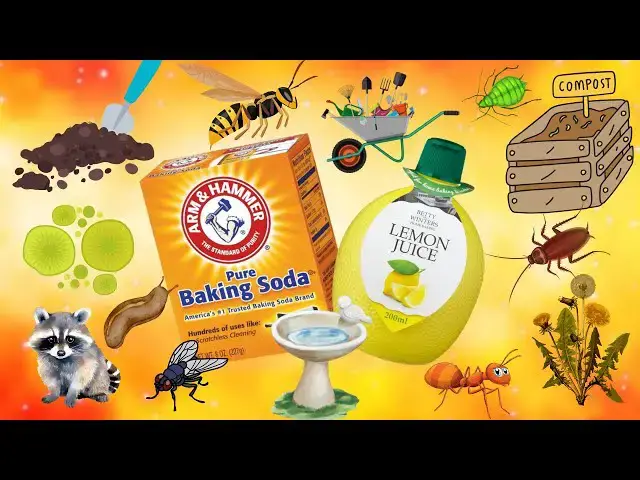
Baking Soda & Lemon Juice Uses -13 Genius Garden Hacks & Pest Control – You’ll Wish You Knew Sooner!
Aug 6, 2025

Say goodbye to harsh chemicals! 🌱 In this video, I’ll show you 13 powerful ways to use baking soda and lemon juice in your garden for natural pest control, plant care, and so much more. Whether you're fighting off aphids, slugs, mildew, or just looking to clean your tools the natural way—these two common kitchen ingredients might just become your new gardening best friends.
From DIY pest sprays to compost boosters and soil treatments, you’ll learn how to use baking soda and lemon juice to solve real garden problems—safely, affordably, and effectively.
👉 Hit LIKE if you love natural garden hacks
👉 SUBSCRIBE for more chemical-free gardening tips every week
👉 Leave a COMMENT if you’ve tried any of these tricks or have your own to share!
#gardeninghacks #organicgardening #naturalpestcontrol #bakingSodagarden #lemonjuicegarden #gardentips #DIYpestcontrol #gardenideas #groworganic #homesteading #gardeningforbeginners #nochemicals #gardenmaintenance #composting #ecogardening #greenthumb
@NaturalHealthRemedies
Did you know that baking soda and lemon juice can be your garden's best friends? This video guides you through using these common items for natural **gardening**, and effective **ant control**. Learn how to create your own **ant spray** and use **baking soda on plants** to keep your garden thriving.
Show More Show Less View Video Transcript
0:00
Baking soda and lemon juice are powerful
0:02
natural allies in the garden. Together
0:04
or separately, they can help with pest
0:06
control, cleaning, soil treatment, and
0:09
more. Natural, safe, and surprisingly
0:13
effective. Here are the 13 best uses for
0:16
baking soda and lemon juice in the
0:17
garden. One, natural fungicide for
0:20
powdery mildew. To use lemon juice or
0:23
baking soda as a natural fungicide for
0:25
powdery mildew, you can create simple,
0:28
effective sprays that are safe for most
0:30
garden plants. For a baking soda
0:32
solution, mix one tsp of baking soda
0:35
with one teaspoon of mild liquid soap
0:38
like Castile or dish soap in one liter,
0:41
about four cups of water. Spray this
0:44
mixture generously onto affected leaves,
0:47
making sure to coat both the tops and
0:48
unders sides. Baking soda alters the pH
0:51
on the leaf surface, making it
0:54
inhospitable for fungal spores to
0:56
thrive. Alternatively, for a lemon juice
0:59
spray, combine two tablespoons of lemon
1:01
juice with one liter of water in a few
1:04
drops of liquid soap. Spray this
1:06
directly on the mildew affected areas.
1:08
The natural acidity of lemon juice helps
1:10
kill fungal growth while being gentle on
1:13
most plants. Apply either treatment
1:15
every 5 to seven days until the mildew
1:17
clears up, preferably in the morning or
1:20
late afternoon to avoid leaf burn in
1:22
direct sun. Two, ant repellent. Lemon
1:26
juice and baking soda are excellent
1:28
natural ant repellents that work by
1:30
disrupting the scent trails ants rely on
1:32
to navigate. To use lemon juice, mix
1:34
equal parts lemon juice and water in a
1:37
spray bottle and apply it along ant
1:39
trails, entry points, window sills, and
1:42
around doorways. The strong citrus scent
1:45
masks the pheromone trails ants follow,
1:48
making it difficult for them to return.
1:50
For a more targeted approach, using
1:52
baking soda, mix equal parts baking soda
1:55
and powdered sugar and place the mixture
1:58
in shallow containers near Antpass. The
2:00
sugar attracts the ants while the baking
2:03
soda interferes with their digestion,
2:05
eventually killing them. These methods
2:07
are pet and kids safe alternatives to
2:10
chemical repellents and they can be
2:12
reapplied as needed to maintain control
2:14
over ant infestations. Three, repel cats
2:17
and raccoons. Lemon juice and baking
2:20
soda can be used as natural non-toxic
2:23
repellents to keep cats and raccoons out
2:25
of your garden. Lemon juice is
2:27
especially effective due to its strong
2:29
citrus scent, which both animals
2:31
dislike. Mix equal parts lemon juice and
2:35
water in a spray bottle and apply it
2:37
around garden beds, trash bins, fence
2:40
lines, or anywhere you've noticed animal
2:42
activity. You can also soak cotton balls
2:45
in lemon juice and place them
2:46
strategically around your yard. Baking
2:49
soda can help as well by neutralizing
2:51
odors that might attract raccoons, such
2:53
as food scraps or compost smells. Just
2:56
sprinkle it in trash cans or on damp
2:58
smelly spots. While not a repellent
3:01
scent on its own, baking soda helps
3:03
eliminate attractants that bring these
3:04
animals in the first place. Reapply the
3:07
lemon spray every few days, especially
3:09
after rain, to keep your garden a no-go
3:12
zone for unwanted furry visitors. Four,
3:16
weed control. Lemon juice and baking
3:18
soda can be used as natural
3:20
chemical-free options for controlling
3:23
weeds in your garden. Lemon juice with
3:25
its high acidity acts as a natural
3:28
herbicide by drying out and killing the
3:30
leaves of unwanted plants. Simply pour
3:33
or spray undiluted lemon juice directly
3:35
onto the weeds on a hot, sunny day for
3:38
the best results. Just be careful to
3:40
avoid desirable plants as lemon juice is
3:43
non- selective and can harm anything it
3:45
touches. Baking soda works best for
3:48
small young weeds growing in cracks or
3:50
between pavers. Sprinkle it generously
3:53
over damp weeds, especially in driveways
3:56
or walkways where it will dehydrate and
3:58
inhibit further growth. For stubborn
4:01
weeds, a combination of both, lemon
4:04
juice, followed by a dusting of baking
4:05
soda, can provide extra power. Repeat
4:09
treatments may be needed every couple of
4:11
weeks to keep weeds in check. Five,
4:14
compost accelerator. Lemon juice and
4:17
baking soda can be used carefully to
4:19
help balance and speed up composting,
4:21
acting as mild compost accelerators when
4:23
applied in moderation. Lemon juice being
4:26
acidic can help break down tough organic
4:28
materials like leaves and vegetable
4:30
scraps more quickly by lowering the pH
4:33
slightly and encouraging microbial
4:35
activity. However, only small amounts
4:37
should be added as too much acid can
4:40
harm the beneficial bacteria that
4:41
decompose the pile. You can mix a few
4:43
tablespoons of lemon juice with water
4:45
and sprinkle it over dry or slow
4:48
decomposing compost layers. Baking soda,
4:50
on the other hand, can help neutralize
4:52
foul odors in overly acidic or smelly
4:55
compost, especially from food scraps or
4:57
wet greens. Add no more than a
4:59
tablespoon at a time. Mixing it into the
5:02
pile to avoid raising the pH too much,
5:04
which could slow decomposition. Used in
5:07
balance, lemon juice and baking soda can
5:09
help maintain a healthy compost pile
5:11
that breaks down faster and smells
5:13
fresher. Six, clean and revitalize
5:15
garden tools. Lemon juice and baking
5:18
soda are excellent natural cleaners for
5:20
garden tools, helping to remove rust,
5:23
sap, and grime without harsh chemicals.
5:26
To clean and revitalize your tools, make
5:28
a paste by mixing baking soda with a
5:31
small amount of water until it forms a
5:32
thick scrub. Apply this paste to the
5:35
metal parts of shovels, pruners, or
5:37
tels, and use a stiff brush or steel
5:40
wool to scrub away dirt and rust. For
5:43
added power, squeeze fresh lemon juice
5:45
over the paste just before scrubbing.
5:47
The acidic lemon reacts with the baking
5:49
soda to create a fizzing action that
5:52
lifts stubborn residue. After cleaning,
5:55
rinse tools thoroughly with water. Dry
5:57
them completely and apply a light coat
6:00
of vegetable oil or mineral oil to
6:01
prevent future rust. Regular cleaning
6:04
with this natural method not only keeps
6:06
your tools in top shape but also extends
6:08
their lifespan and improves performance
6:11
in the garden. Seven. Root rot and
6:14
fungal soil treatment. Lemon juice and
6:17
baking soda can both be used as gentle
6:19
natural treatments for root rot and
6:21
fungal issues in soil. For a baking soda
6:24
soil soak, dissolve one teaspoon of
6:26
baking soda in one liter, about four
6:29
cups of water, and use it to water the
6:31
base of plants showing signs of root
6:33
rot, such as yellowing leaves or mushy
6:35
roots. Baking soda helps by raising the
6:38
soil's pH slightly, creating an
6:40
environment less favorable to fungal
6:42
growth. For infected roots, you can also
6:44
remove the plant, rinse off the roots,
6:47
and soak them in the same solution for
6:49
15 to 20 minutes before replanting in
6:52
fresh soil. Lemon juice, due to its
6:55
acidity, can be used to spot treat
6:57
fungal patches in soil. Mix one
6:59
tablespoon of lemon juice with two cups
7:01
of water and pour it directly on problem
7:03
areas, avoiding plant stems. Always use
7:06
these treatments sparingly, as overuse
7:09
can disrupt soil pH and harm beneficial
7:11
microbes. Used correctly, they can help
7:14
suppress fungal infections and give your
7:16
plants a better chance of recovery.
7:18
Eight, refresh bird baths and water
7:21
features. Lemon juice and baking soda
7:24
are perfect for naturally refreshing
7:25
bird baths and water features, keeping
7:28
them clean and safe for birds and other
7:30
wildlife. To clean a bird bath, sprinkle
7:32
baking soda over the surface, then scrub
7:35
with a damp sponge or brush to remove
7:37
algae, mineral buildup, and grime. For
7:40
extra cleaning power and a fresh scent,
7:43
add a few tablespoons of lemon juice,
7:45
which acts as a natural disinfectant and
7:47
helps cut through stubborn stains. After
7:50
scrubbing, rinse thoroughly with clean
7:52
water to remove all residue before
7:54
refilling. This chemical-free method
7:56
ensures your bird bath remains a safe,
7:59
inviting spot for birds to drink and
8:01
bathe, while preventing algae growth and
8:03
buildup over time. Regular monthly
8:05
cleaning with lemon juice and baking
8:07
soda keeps water features sparkling and
8:10
wildlife friendly. Nine. Be safe wasp
8:13
repellent. Lemon juice and baking soda
8:16
can be used to create a natural beafe
8:18
wasp repellent that discourages wasps
8:21
without harming beneficial pollinators.
8:23
Wasps dislike strong citrus scents. So
8:26
mixing equal parts lemon juice and water
8:28
in a spray bottle and applying it around
8:31
outdoor seating areas, garden furniture,
8:34
trash bins, and eaves can help keep them
8:36
at bay. You can also soak cotton balls
8:39
in lemon juice and place them in small
8:42
containers or mesh bags around patios or
8:44
picnic areas. For added effect, sprinkle
8:47
baking soda in shallow dishes with a few
8:50
drops of lemon juice nearby. The fizzing
8:52
reaction releases a scent that wasps
8:55
find unpleasant, but bees are generally
8:57
not bothered by. Unlike chemical sprays,
9:00
this natural approach won't harm bees or
9:02
contaminate your plants, making it a
9:05
safe option for pollinator friendly
9:06
gardens. Reapply every few days or after
9:09
rain for continued protection. 10.
9:12
Cockroach and earwig control. Lemon
9:15
juice and baking soda offer safe,
9:17
natural ways to control cockroaches and
9:19
earwigs in and around your garden or
9:22
home. For cockroach control, mix equal
9:25
parts baking soda and powdered sugar and
9:28
place the mixture in shallow containers
9:30
near areas where you've seen roaches.
9:32
The sugar lures them in, while the
9:34
baking soda reacts with their digestive
9:36
system, ultimately killing them. For
9:39
earwigs, sprinkle baking soda in moist,
9:42
dark corners of sheds, green houses, or
9:45
under pots where they like to hide. This
9:47
creates an inhospitable environment. To
9:50
deter both pests, spray a mixture of
9:52
lemon juice and water along baseboards,
9:55
doorways, and outdoor garden beds. The
9:58
strong citrus scent repels them
9:59
naturally without harming plants, pets,
10:02
or beneficial insects. Refresh the
10:05
treatments weekly or after rain for
10:07
continued effectiveness.
10:09
11. Fruit fly and fungusnat trap. Lemon
10:13
juice and baking soda can be combined to
10:15
create an effective natural trap for
10:18
fruit flies and fungusnats that often
10:20
plague indoor plants and compost bins.
10:23
To make the trap, fill a small bowl or
10:25
shallow dish with lemon juice and add a
10:27
few drops of liquid soap to break the
10:29
surface tension, causing the tiny flies
10:32
to sink and drown when they land. While
10:34
baking soda isn't typically used
10:36
directly in the trap, sprinkling a small
10:39
amount around the base of plants or near
10:41
compost piles can help reduce odors that
10:43
attract these pests. Place the lemon
10:46
juice trap near infested plants, fruit
10:48
bowls, or compost bins to lure and
10:50
capture flies.
10:52
Replace the liquid every few days to
10:54
keep it fresh and maintain its
10:56
effectiveness in controlling these
10:57
nuisance insects naturally and safely.
11:00
12. Slug and snail barrier. Lemon juice
11:04
and baking soda can help create natural
11:06
barriers to deter slugs and snails from
11:09
damaging your garden plants. To use
11:12
baking soda, simply sprinkle a generous
11:14
ring of it around the base of vulnerable
11:16
plants or garden beds. The baking soda
11:19
acts as a dehydrating agent, irritating
11:21
the soft bodies of slugs and snails,
11:24
which discourages them from crossing the
11:26
barrier. For lemon juice, you can spray
11:28
a diluted solution, about one part lemon
11:31
juice to three parts water, around
11:33
plants or garden paths, as the acidic
11:36
scent and taste repel these pests. While
11:38
lemon juice isn't as abrasive as baking
11:40
soda, it can help reinforce the barrier
11:43
and discourage slugs and snails from
11:45
lingering. Reapply both treatments after
11:48
rain or watering to maintain an
11:50
effective defense without using harmful
11:53
chemicals. 13. Aphid and might spray.
11:57
Lemon juice can be combined to create a
11:59
gentle natural spray that helps control
12:01
aphids and mites on your garden plants.
12:04
To prepare the spray, mix two
12:06
tablespoons of lemon juice, one teaspoon
12:08
of mild liquid soap, such as castile
12:11
soap, and two cups of water in a spray
12:14
bottle. The acidity of the lemon juice
12:16
helps weaken the soft bodies of these
12:18
pests, while the soap helps the solution
12:21
stick to leaves and suffocate them.
12:23
Spray the mixture thoroughly on the
12:24
affected plants, especially on the
12:26
unders sides of leaves where aphids and
12:28
mites often gather. Apply the spray in
12:31
the early morning or late afternoon to
12:33
avoid leaf burn, and repeat every 5 to 7
12:36
days until the infestation subsides.
12:38
This natural remedy is safe for most
12:40
plants and helps reduce reliance on
12:42
chemical pesticides. Thanks for
12:44
watching. Using natural remedies like
12:47
lemon juice and baking soda is an easy,
12:49
affordable, and eco-friendly way to keep
12:52
your garden healthy and pestfree without
12:54
harsh chemicals. Whether you're tackling
12:56
powdery mildew, repelling ants and
12:58
slugs, or controlling aphids and mites,
13:01
these simple ingredients can make a big
13:03
difference. Give these tips a try and
13:05
let me know in the comments how they
13:07
worked for you. Don't forget to like,
13:09
subscribe, and hit the notification bell
13:12
for more natural gardening hacks. Happy
13:14
gardening, and I'll see you in the next
13:16
video on Vicks Vapor Rub for pest
13:18
removal.
#Home & Garden
#Pest Control